In August, CATL, EVOGO, Shenzhou Car Rental, and CMB Leasing signed a strategic cooperation agreement. At first glance it looks like a normal business headline, but through the lens of supply-chain logic, it’s far more significant. This isn’t just a vehicle procurement—it’s a generational leap in energy-replenishment models.
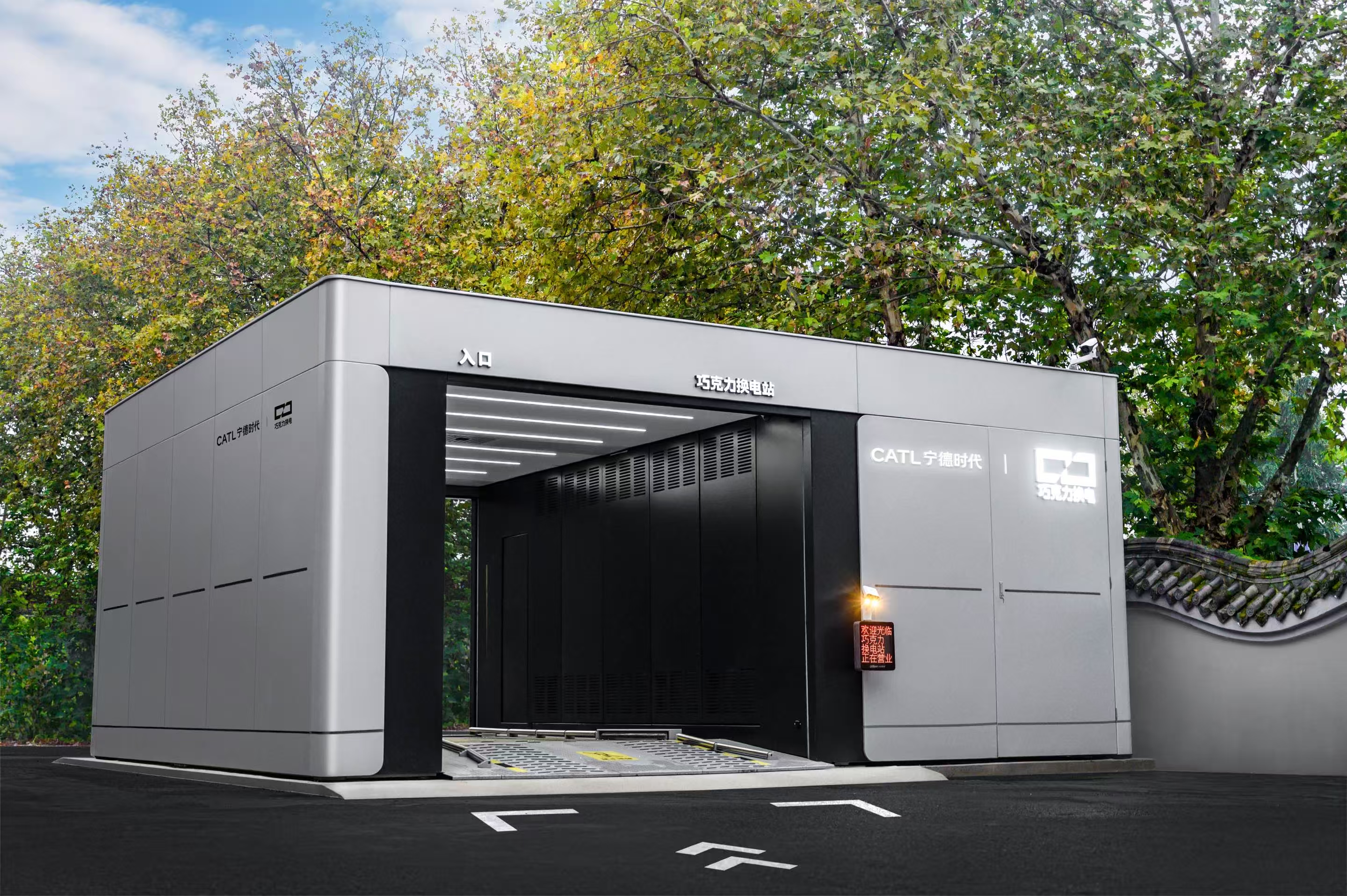
When the world’s largest battery maker starts building infrastructure itself, its ambition is obvious. CATL is aiming to become the “Shell” or “Mobil” of the electric era.
Traditionally a battery maker was just a parts supplier: OEM buys battery, installs battery, sells car—end of chain. CATL is breaking that chain. By building a dense swap-station network, it turns batteries from fixed assets into circulating energy. Like an oil giant that not only drills crude but also owns a global gas-station network—once that network is built, the one who holds the standards and the channels controls energy distribution.
Starting with Shenzhou Car Rental is a brilliant move. Transformations in China’s auto industry often go from rental fleets to private users. Rental use is high-frequency, high-intensity, and efficiency-obsessed—perfect for stress-testing new tech. If battery swapping survives 100,000 rental cars beating on it 24/7, mass adoption is just a matter of time.
These 100,000 vehicles will use CATL’s “Chocolate” swap blocks. This standardized pack lets users choose range flexibly: one block for city use, two or three for long trips. It wipes out range anxiety and slashes upfront cost. For B-end operators, it means refueling-level efficiency: drive in, swap, drive out.
CMB Leasing fills the financial gap. Battery leasing cuts purchase cost dramatically and makes “car-battery separation” truly workable. Battery degradation risk shifts from owners to the operator, fixing the low residual-value issue of used EVs.
Shenzhou will build the swap network through its 2,000 nationwide locations. These stations will also become future grid-storage nodes, helping balance electricity peaks. Navigation and billing will be integrated in one app—forming a digital closed loop.
For overseas buyers, the signal is clear: China is building a high-efficiency replenishment system independent of charging piles. Once validated in the harsh rental market, it may become the default spec for China’s exported EVs. While some countries are still worrying about charger shortages, China’s EVs may already have entered a “fuel-like” swapping era.
If youre planning future fleet purchases or curious about the car-battery-separation business model, feel free 2 DM me.